
Healthy Lifestyle For Chronic Pain Management

Hello there! Do you know you can manage chronic pain with a healthy lifestyle? Do you know you don’t have to depend on nonsteroidal anti-inflammatory drugs NSAIDs? Instead, you can treat chronic pain by embracing self-management.
Chronic Therapy is a pain management network. They help you effectively manage chronic pain using medical marijuana. In addition, they link you up with health professionals that look out for your overall health.
Pain specialists have a better understanding of medical treatments for chronic pain. They help with psychological and occupational therapy. They ensure your general health is good as well as your emotional health.
Firstly, let’s understand the meaning of chronic pain, chronic pain management, and how to prevent chronic pain.
What Is Chronic Pain?
Chronic pain lasts for weeks, months, or years. It can affect different parts of the body. Chronic pain is persistent pain. Acute pain is a kind of pain that lasts for a short period. Chronic pain affects the central nervous system. It also affects spinal nerves in chronic conditions.
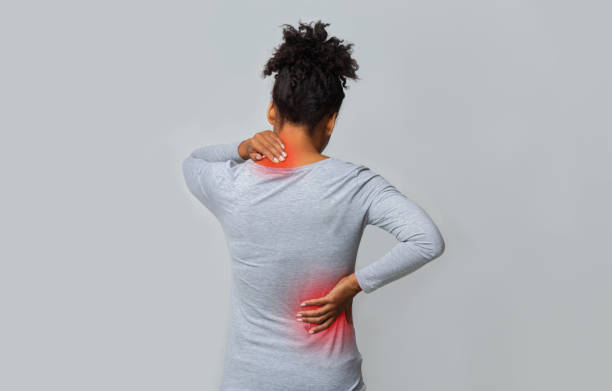
Chronic pain affects emotional and mental health. It interferes with our day-to-day life. In addition, it affects musculoskeletal conditions leading to psychogenic pain.
Many Australians experience chronic pain regularly. And this ongoing pain can be severe. In most cases, it leads to depression. Some experience heart attacks, which is a greater risk. People with chronic pain experience adverse effects on their general health and social life.
The normal healing time is supposed to be about 2 to 3 weeks. Injury normally heals with pain signals. But it goes away on its own.
There are different types of chronic pain treatment. Chronic pain treatment includes treating depression with tricyclic antidepressants—also, medical cannabis as pain relief.
Chronic pain treatment is complex. Pain medication is not the only way to get chronic pain treated.
One of the ways to manage chronic pain is to lead a healthy lifestyle. But let’s first understand pain management before moving on.
What Is Pain Management?
Pain management is a medical technique to relieve pain. Pain management is a combination of medical cannabis prescription and physical therapy. Management of chronic pain, including lifestyle modifications and psychological therapy. Visit https://polyremedy.com/effective-ways-of-chronic-pain-management/ to read about Effective Ways Of Chronic Pain Management.

Some health professionals prescribing opioids are aware of their side effects. For example, pain clinics use medical cannabis under doctors’ supervision to treat pain. They also ensure they connect you with professionals that treat depression.
Complications of Chronic Pain
Complications associated with chronic pain include;
- Depression.
- Reduced quality lifestyle.
- Anxiety
- Opioid addiction or dependency in pain disorders.
- Worsening of chronic medical conditions.
Complications of chronic pain are complex. Consult your doctor if you develop chronic pain. There are numerous ways to manage and treat chronic pain. However, finding the therapy that works for you may take some time. That is why chronic Therapy is here to help you.
HEALTHY LIFESTYLE FOR CHRONIC PAIN MANAGEMENT
1. Meditation
Meditation is a healthy lifestyle. It is a relaxation technique effective for the mind and body. This helps in managing chronic pain. In addition, meditation helps you reduce stress and anxiety.

Meditation is effective if done appropriately. To maximize the benefits of meditation, you should:
- Choose a peaceful area where you may meditate. If you can, meditate in the same place each day.
- Depending on your physical state, choose a sitting position. You can cross your legs or even sit in a chair. Yet you ought to be able to maintain this posture for a while.
- Give your meditation cycle a time limit. You could do it for whatever length you want. But beginning slow (for five or ten minutes) usually works best.
- Be sure to pay attention to your breathing. Your body and mind can relax by taking deep breaths.
Keep in mind that frequent meditation practice yields the finest results. You can exercise in the morning before breakfast or before bed. Make sure to pick a timetable that works for you and follow it
2. Improve Your Sleep Cycle
Lack of sleep frequently results in exhaustion, irritability, and stress. It might make your chronic pain worse. Also, opioid pain medicine sometimes affects your sleep. Unlike medical cannabis, that helps improve sleep. It is a vicious cycle. It is essential to practice excellent sleep hygiene.

- Create a healthy sleep schedule. Ensure you go to sleep and wake up simultaneously every day.
- Speak with your doctor if pain medication is interfering with your sleep. To improve your ability to sleep, they can alter your medication schedule.
- Avoid working from your bed. Just use it for sleeping and relaxing. Keep your bedroom cool and tidy as well. You might find it facilitates speedy sleep.
- If you’re having trouble falling asleep, try reading a book or watching TV until you do. Avoid forcing yourself to sleep.
- Avoid consuming coffee, alcohol, or smoking before bed. This is because they can disrupt your sleep.
- In addition, stay away from heavy foods and liquids before bed. That might prevent you from sleeping early.
3. Develop Healthy Eating Habits
Make an effort to consume wholesome, homemade food. Stay clear of processed foods like frozen dinners. Processed food is loaded with salt, fats, sweets, and oils. They increase your risk of constipation, insomnia, and obesity. This can worsen chronic pain.
Eat more veggies and fruits that are fresh. You’ll get more nourishment if you eat these in their natural state.
Consuming too much sugar might cause diabetes and other chronic issues. That could make managing your pain more difficult.
You can control the majority of your diet on your own. Nonetheless, if required, don’t hesitate to visit a trained dietitian. And sure, remember to check your weight frequently.
4. Quit Smoking and Drinking
Patients that are battling chronic pain are advised to avoid smoking. Chronic pain patient that smoke tends to worsen the pain. It can cause fatigue, sleep impairment, and psychological and emotional health impairment.
Smoking is associated with poor recovery and emotional imbalance. In contrast, non-smokers have a more rapid recovery.
It’s a widespread misperception that alcohol works as a pain relief. The truth is that drinking alcohol may alleviate a Chronic pain problem. However, when alcohol and chronic pain are combined, numerous concerns exist.
These include alcohol and interactions with chronic pain medicine. Also, increase in pain symptoms. Therefore, discussing your drinking habits with your health professional is crucial.
5. Engage in Exercise
Exercise helps reduce pain perception. In addition, it also has positive impacts on mental health. For example, it helps treat depression and helps with physical therapy for ongoing pain.
Exercise helps to boost mood and lowering stress and depression. However, this is often linked to Chronic pain. Therefore, it is also a form of occupational therapy.
Conclusion
Your daily existence may be negatively impacted by chronic pain. Focusing on healing rather than pain. This is the most excellent method to manage chronic pain. Furthermore, develop healthy habits that will help in pain management.